












 Spanish News Today
 Alicante Today
 Andalucia Today


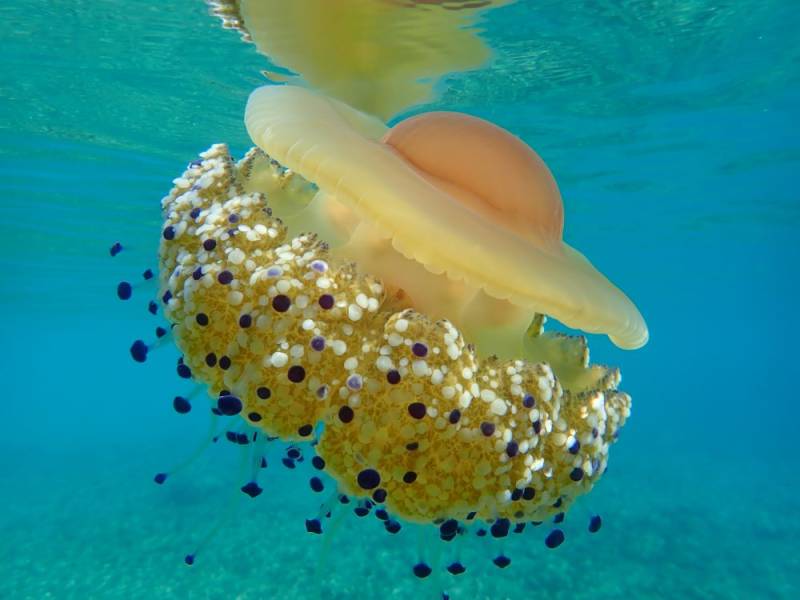
If you've been enjoying a swim in the Mar Menor this summer, you may have noticed there are far fewer jellyfish than usual. While anti-jellyfish nets are once again protecting several popular beaches, scientists say they're not the main reason. Instead, changing water temperatures appear to have disrupted the jellyfish life cycle, resulting in much lower numbers of the lagoon's most familiar species.
Monitoring by researchers at the University of Murcia shows jellyfish populations are lower than they were at the same point last summer. Species including the barrel jellyfish (Rhizostoma pulmo) and the distinctive fried egg jellyfish (Cotylorhiza tuberculata) are either scarce or have appeared much later than expected. So far this summer, there have also been no significant jellyfish swarms in the lagoon.
According to researchers at the University of Murcia, unusual temperature patterns have disrupted the jellyfish's reproductive cycle. Milder winters followed by prolonged warm weather appear to have delayed the development of young jellyfish, resulting in fewer adults being seen this summer.
Researchers spotted juvenile fried egg jellyfish during June and early July, but adult specimens remain scarce. Overall, jellyfish densities are currently even lower than they were at the same stage in 2025.
Scientists have also found no evidence of non-native jellyfish entering the Mar Menor from the Mediterranean through the channels that connect the two seas, and the few jellyfish that have been recorded are mainly concentrated in the deeper central waters of the lagoon.
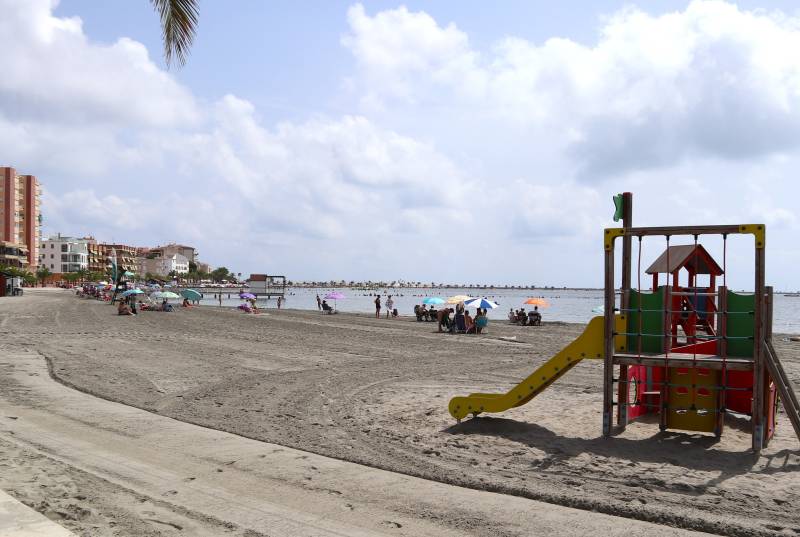 Despite the lower jellyfish numbers, anti-jellyfish nets were installed at the beginning of July at five popular beaches: La Mota, Villananitos, La Puntica, Veneziola and Pantalán.
The barriers cover around 4.4 kilometres of coastline and are put in place every summer as a precaution, following large jellyfish blooms seen at these beaches in previous years.
While fewer jellyfish will be welcome news for anyone heading into the water, scientists say their absence isn't entirely positive. Jellyfish help filter the water naturally, and this summer the Mar Menor is also dealing with a significant increase in nutrients.
Researchers estimate nitrate levels entering the Mar Menor are around three times higher than in previous years, while phosphorus continues to feed plant growth.
Even so, water quality remains relatively stable. Underwater visibility has fallen slightly from around 4.5 metres to about 3.5 metres, while water temperatures in the central lagoon have reached 32C and continue to rise, although they remain below last summer's peak of 35C so far.
Recent storms have also helped refresh some of the shoreline by redistributing sediment and reducing the build-up of organic matter in shallow waters.
Scientists are continuing to monitor oxygen levels closely. Although they remain healthy across most of the lagoon, they warn that isolated areas could still experience short periods of low oxygen during intense heat if organic matter continues to accumulate.
Images: Archive